
21 OCTOBER 2026
Beyond Connections: The Institutional Capacity Behind Ethiopia’s Electrification Ambition
Published By
BAN-DRCE
Energy & Institutions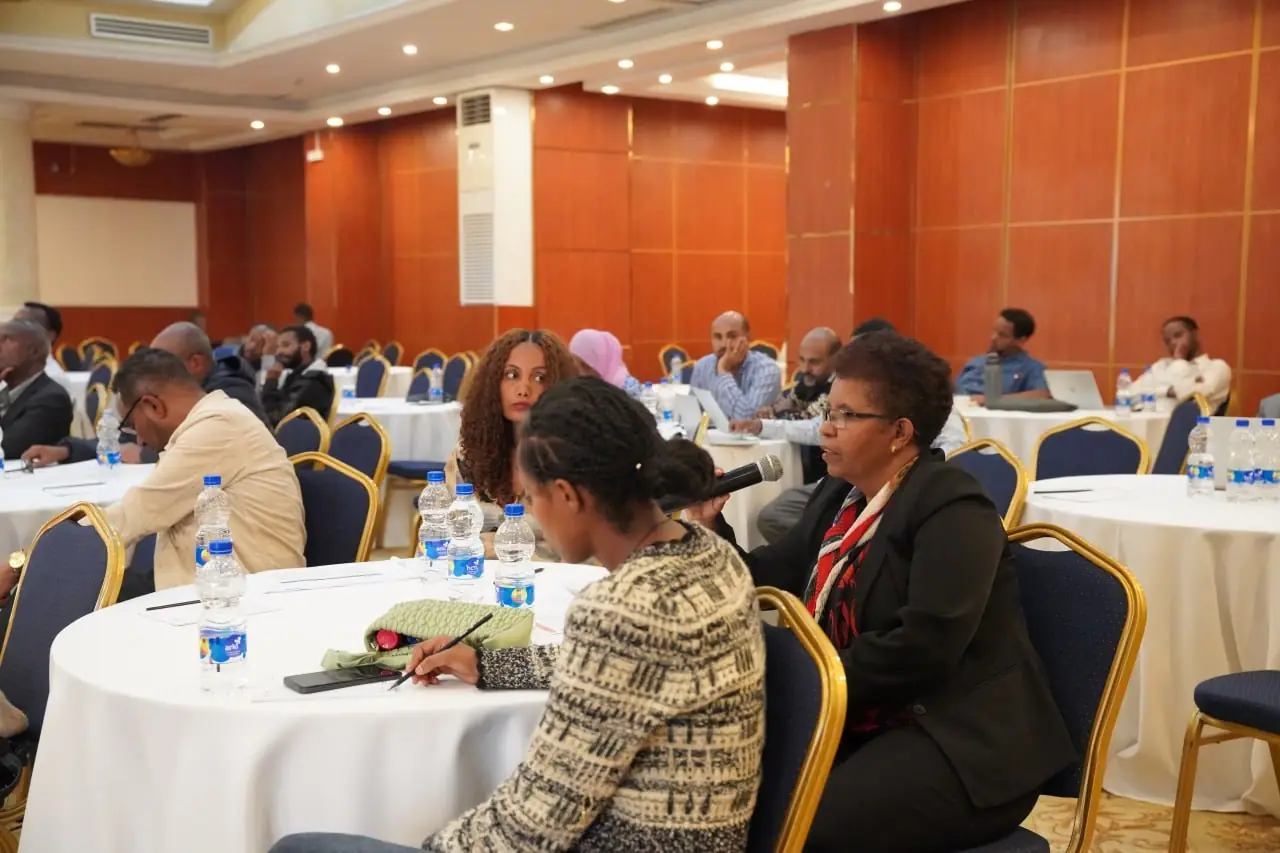
Ethiopia’s electrification agenda is entering an increasingly ambitious phase. In a June 2026 update on the National Electrification Program (NEP 3.0) roadmap, the Ministry of Water and Energy highlighted the country’s ambition to achieve “universal, reliable, affordable and sustainable electricity access by 2035.”
Achieving that ambition will require more than expanding physical infrastructure. As electrification extends across technologies, geographic areas and institutions, the systems behind that expansion also face growing demands: planning and coordination, information management, technical decision-making, resource management and implementation. The institutions responsible for these functions therefore need to evolve alongside the sector they support.
This was the starting point for BAN-DRCE’s Capacity Needs Assessment and Capacity Building Roadmap for the Electrification and Energy Information Lead Executive Office (EEILEO), undertaken in the context of the Ethiopia Electrification Program (ELEAP). The program places institutional capacity and reform alongside investments in electricity connections and off-grid services.
From Capacity Gaps to Institutional Capability
Capacity development is often approached primarily as a question of skills: which competencies are missing, and what training can address them? For EEILEO, the assessment took a broader view.
The assessment found an established legal mandate, an organizational structure aligned with the National Electrification Program, and a committed technical workforce. At the same time, it identified areas requiring further strengthening as the demands of the electrification agenda evolve, including governance and accountability, human resources, technical competencies, organizational systems, knowledge management, resource mobilization and inter-institutional coordination.
This distinction matters. Not every performance constraint is a training problem. A skills gap may require professional development, but a constraint may also arise from unclear responsibilities, fragmented information, weak processes, limited coordination mechanisms or inadequate organizational resources.
The assessment therefore considered capacity across interconnected individual, organizational and institutional levels. It examined staff competencies and leadership alongside organizational systems, operational procedures, coordination mechanisms, financing, governance, accountability and stakeholder relationships. Quantitative findings, key informant interviews and document review were brought together to understand not only where gaps existed, but also the factors underlying them.
“The central question consequently shifted from “What training is needed?” to a broader institutional question: what combination of people, systems, processes, technology and institutional arrangements is needed for EEILEO to perform its evolving role effectively?”
Turning Assessment Findings into a Roadmap
The Capacity Building Roadmap was developed to translate this assessment into a practical pathway for institutional development.
Following the assessment, findings were presented through a two-day stakeholder validation and roadmap development workshop involving EEILEO, relevant Ministry directorates, energy sector institutions and the World Bank. Participants reviewed the findings, developed a shared institutional vision, identified the capacities required to achieve it, and collectively prioritized and sequenced interventions.
This participatory process was important because institutional development cannot be designed effectively in isolation. While the roadmap needed to remain grounded in assessment evidence, it also needed to reflect the experience of the institutions responsible for putting those recommendations into practice.
The resulting roadmap therefore moves beyond a list of training activities. It links institutional objectives with priority interventions, responsibilities, timelines, performance indicators and implementation considerations. Proposed actions were considered in relation to their alignment with the National Electrification Program, expected institutional impact, urgency, feasibility and long-term sustainability before being sequenced across different implementation horizons.
The priorities span several interconnected areas: strengthening governance and accountability; developing a competent and future-ready workforce; improving digital and information systems; strengthening knowledge management; improving financial management and resource mobilization; and establishing stronger mechanisms for coordination and strategic partnerships.
Importantly, these priorities do not all operate on the same timeframe. Some address immediate operational needs, while others support longer-term institutional development. This sequencing recognizes that institutional transformation is a process rather than a single intervention, and that sustainable capability cannot be built within a single project cycle.
Building the Institutional Foundation for What Comes Next
The broader lesson is that institutional capacity needs to evolve alongside the sector it supports.
For EEILEO, this means strengthening not only the capabilities of its workforce, but also the systems through which people work: how responsibilities are defined, how information is generated and shared, how decisions are made, how institutions coordinate, how knowledge is retained, and how resources are managed.
The roadmap provides a structured pathway for this development, connecting immediate capacity priorities with a longer-term institutional vision. It is designed to help EEILEO strengthen the institutional, technical, managerial and operational capabilities required to support implementation of the National Electrification Program and contribute to Ethiopia’s longer-term electrification goals.
Electricity access is ultimately experienced through the services and connections that reach households, communities, businesses and public institutions. Behind those outcomes, however, are institutions responsible for planning, coordinating, monitoring and sustaining them.
Strengthening that institutional foundation is therefore not separate from Ethiopia’s electrification agenda. It is part of the capacity required to deliver it.
Request more information